Cellular Transformation in Skin Rejuvenation: Cannula Liquid Facelift with PLLA (Sculptra), PDLLA (Lenisna) and Calcium Hydroxyapatite (Radiesse)
When you look in the mirror, do you feel that a tired expression, sagging cheeks, and loss of skin elasticity simply need "a little bit of filler"?
In traditional aesthetic practice, dense hyaluronic acid fillers have long been injected into every area experiencing volume loss. What was the outcome? Unnatural, overly puffy, and expressionless "overfilled face syndrome."
Aging, however, is not merely the deflation of an empty balloon. As we age, the Type I and Type III collagen networks that keep our skin taut degrade, elastin fibers snap, deep facial ligaments lose tension, and microvascular blood flow diminishes.
The forefront of modern aesthetic medicine is not to inflate the face with foreign volumizers, but to awaken the skin's own fibroblasts and stem cells to rebuild its biological youth from within. This paradigm is called: Biostimulation.
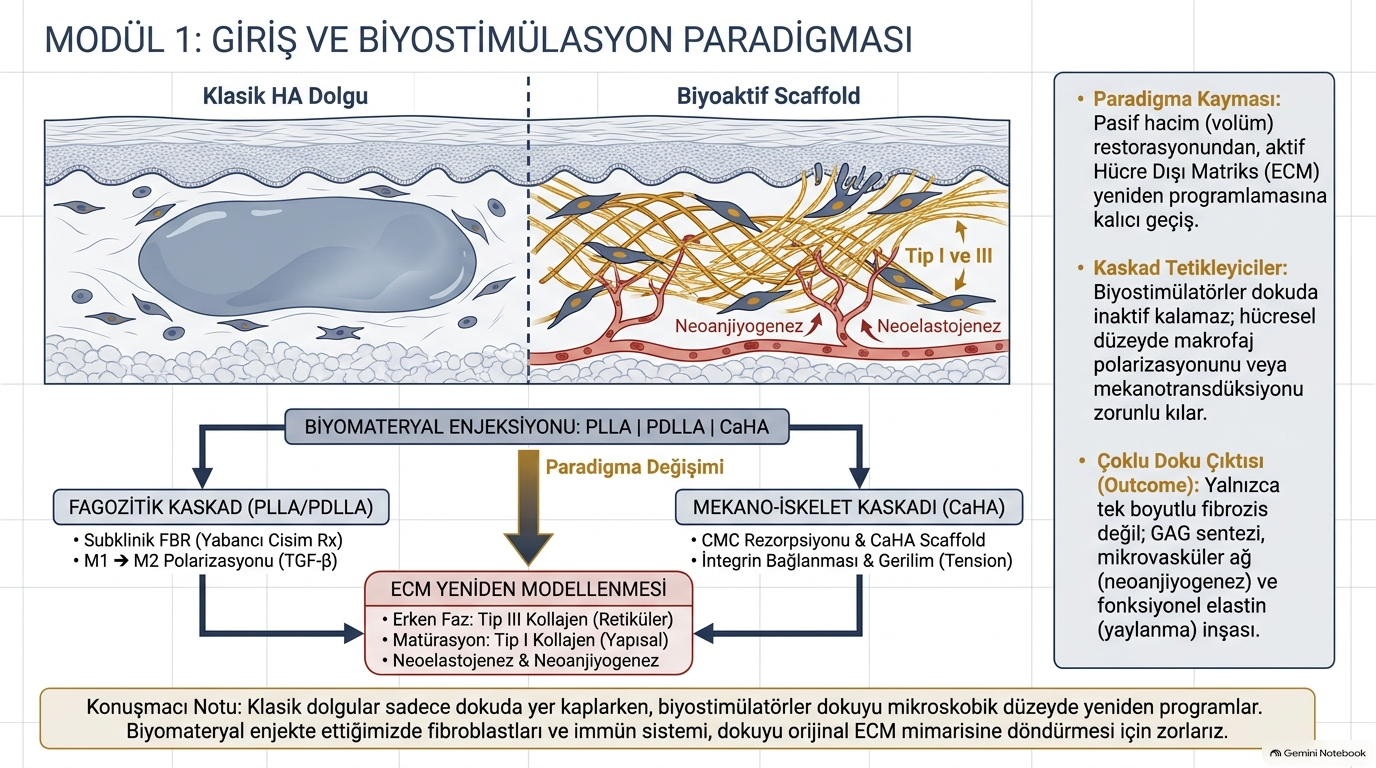
Figure 1: Paradigm Shift: Traditional HA Fillers vs. Bioactive Regenerative Scaffolds
Here is an in-depth clinical analysis of the gold-standard biostimulators we routinely administer in our clinic—Sculptra (PLLA), Lenisna (PDLLA), and Radiesse (Calcium Hydroxylapatite - CaHA)—along with our blunt-cannula Vector Liquid Facelift technique.
1. What is a Biostimulator? How Does It Differ from Traditional Fillers?
Traditional hyaluronic acid fillers are temporary space-occupying biomaterials that provide instantaneous water-binding volume.
Biostimulators (Smart Regenerative Biomaterials), on the other hand, function as cellular "seeds of regeneration." Once injected, they actively stimulate fibroblasts to continuously synthesize fresh collagen, new elastic fibers, and microvascular networks over months.
- Traditional Filler: Gives immediate physical volume and dissolves over time, leaving baseline laxity unchanged.
- Biostimulation: Does not unnaturally inflate or widen the face; it structurally thickens the dermis, tightens ligamentous septa, and lifts the tissues. The result is 100% your own autologous tissue.
2. The Big Three: Which Biostimulator Is Right for You?
Based on comprehensive anatomical facial assessment, our clinic selects among three evidence-based biomaterials:
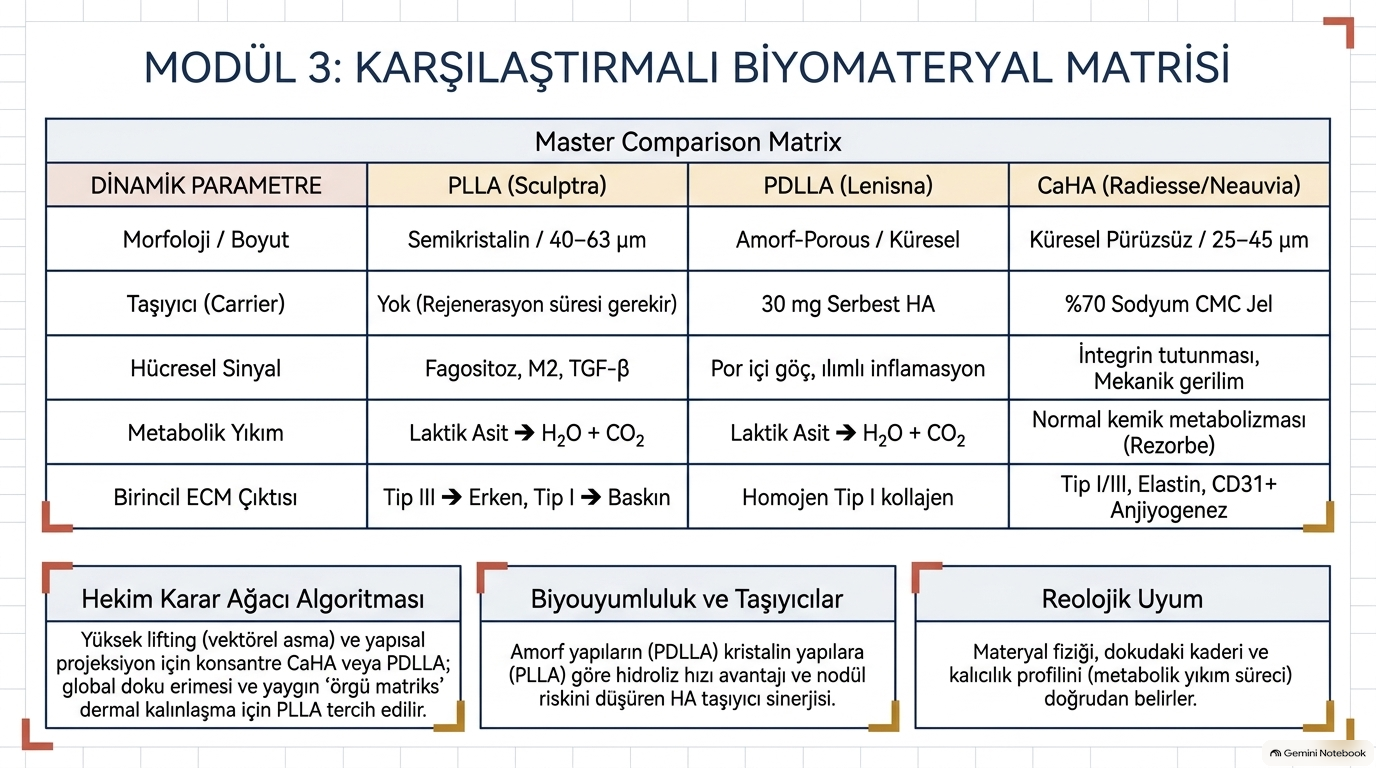
Figure 2: Master Decision Matrix: PLLA vs. PDLLA vs. CaHA Algorithms
A. Sculptra (Poly-L-Lactic Acid - PLLA): Long-Term Collagen Banking
PLLA is a biocompatible, biodegradable polymer safely utilized in surgical sutures for decades. In the tissue, Sculptra triggers a subclinical, controlled foreign body regeneration cascade.
- Mechanism of Action: Macrophages surround PLLA microparticles (40–63 μm) and polarize to an M2 regenerative phenotype, releasing TGF-β to stimulate robust fibroblast collagen synthesis. Peak Type I collagen deposition occurs between 6 weeks and 6 months.
- Ideal Indications: Lipoatrophy, hollow temples, sunken cheeks, global dermal thinning, and patients requiring an overall dermal collagen blanket without localized bolus projection.
B. Lenisna (Poly-D,L-Lactic Acid - PDLLA + Free HA Hybrid): Biomimetic Porous Architecture
Lenisna represents the latest evolution in lactic acid polymers. Unlike crystalline PLLA, it features amorphous, spherical, and sponge-like porous microparticles, formulated with 170 mg PDLLA and 30 mg non-crosslinked Hyaluronic Acid.
- Mechanism of Action: The porous interior allows fibroblasts and microvasculature to migrate inside the spheres, fostering seamless three-dimensional tissue integration with virtually zero nodule formation. The free HA carrier delivers immediate hydration and dispersion, while PDLLA fuels continuous neocollagenesis for 18–24 months.
- Ideal Indications: Deep nasolabial folds, mid-to-lower face sagging, accordion lines, and moderate-to-severe tissue laxity.
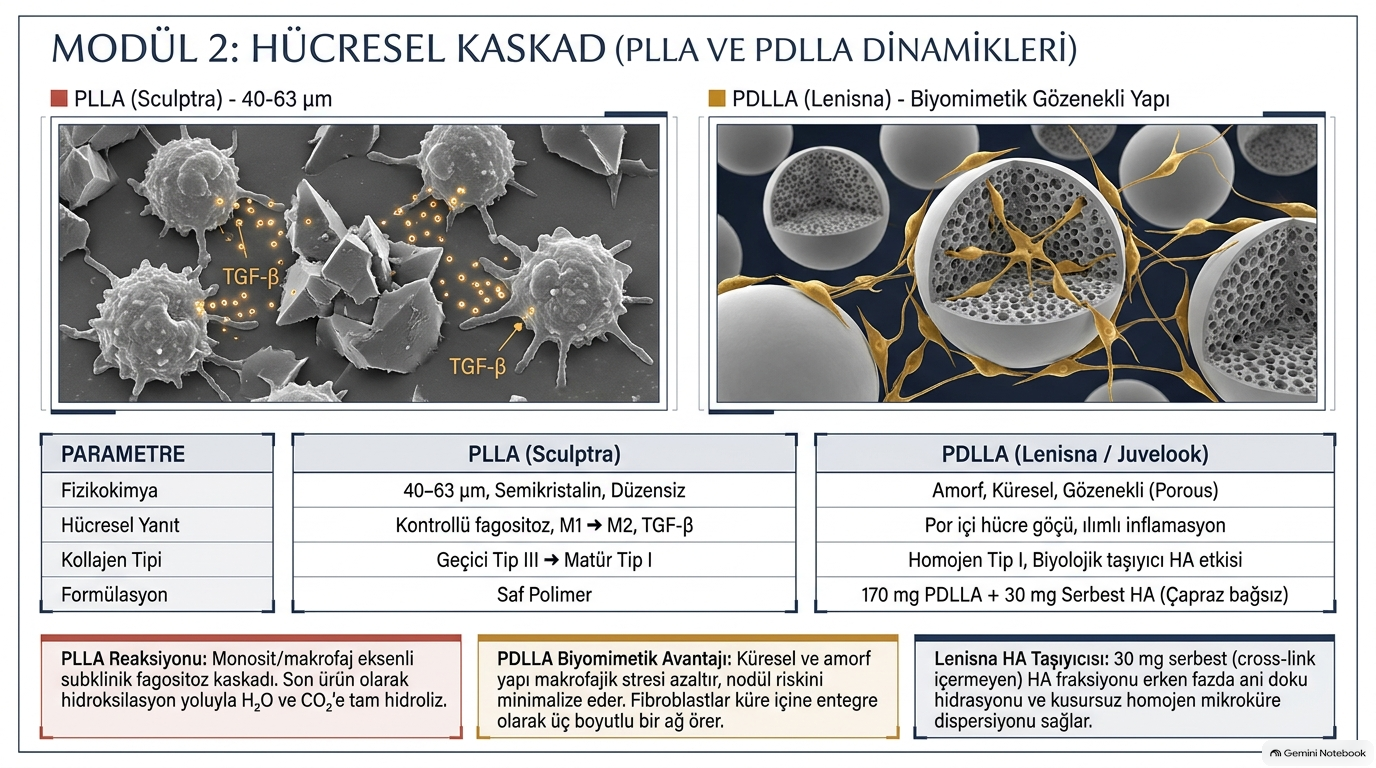
Figure 3: Microscopic Dynamics: PLLA Phagocytic Cascade vs. PDLLA Porous Ingrowth
C. Radiesse (Calcium Hydroxylapatite - CaHA): Dual Tightening and Mechanotransductive Lifting
Radiesse comprises smooth CaHA microspheres (25–45 μm, 30%) suspended in an aqueous carboxymethylcellulose (CMC, 70%) gel carrier.
- Mechanism of Action: Radiesse delivers a dual-stage biological response:
- The CMC gel provides immediate, subtle contouring and tissue stabilization for the first 2–3 months.
- As the gel resorbs, CaHA microspheres form a physical cellular scaffold. Fibroblasts attach directly to the microspheres via cell-surface integrins (mechanotransduction), producing not only Type I and III collagen, but also functional elastin fibers (neoelastogenesis) and CD31+ microvascular networks (neoangiogenesis).
- The Art of Hyperdilution: By diluting CaHA with sterile saline and lidocaine at ratios of 1:1, 1:2, or 1:4, we neutralize its space-occupying volumetric effect to produce an injectable skin-tightening and firming treatment for the face, neck, and décolleté.
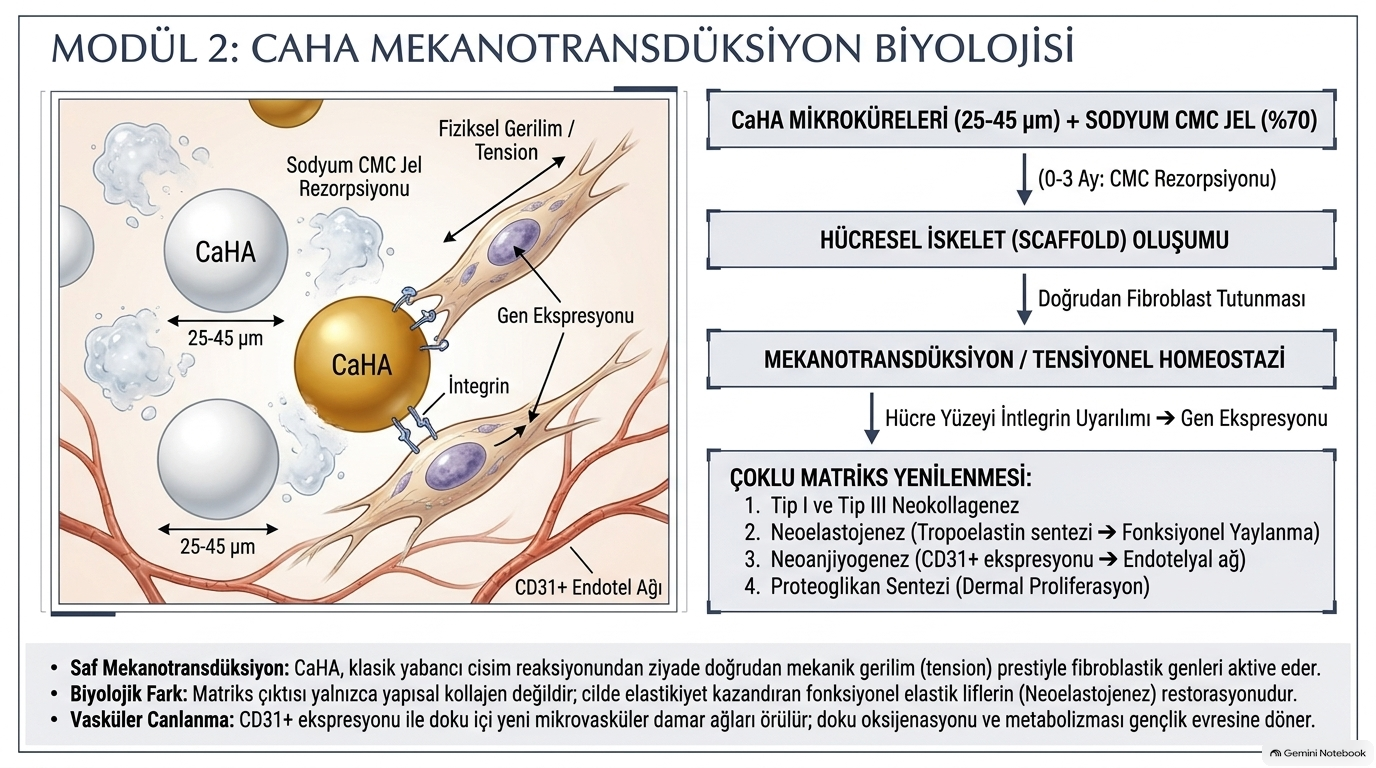
Figure 4: Radiesse (CaHA) Mechanotransduction, Integrin Signaling, and Neoelastogenesis
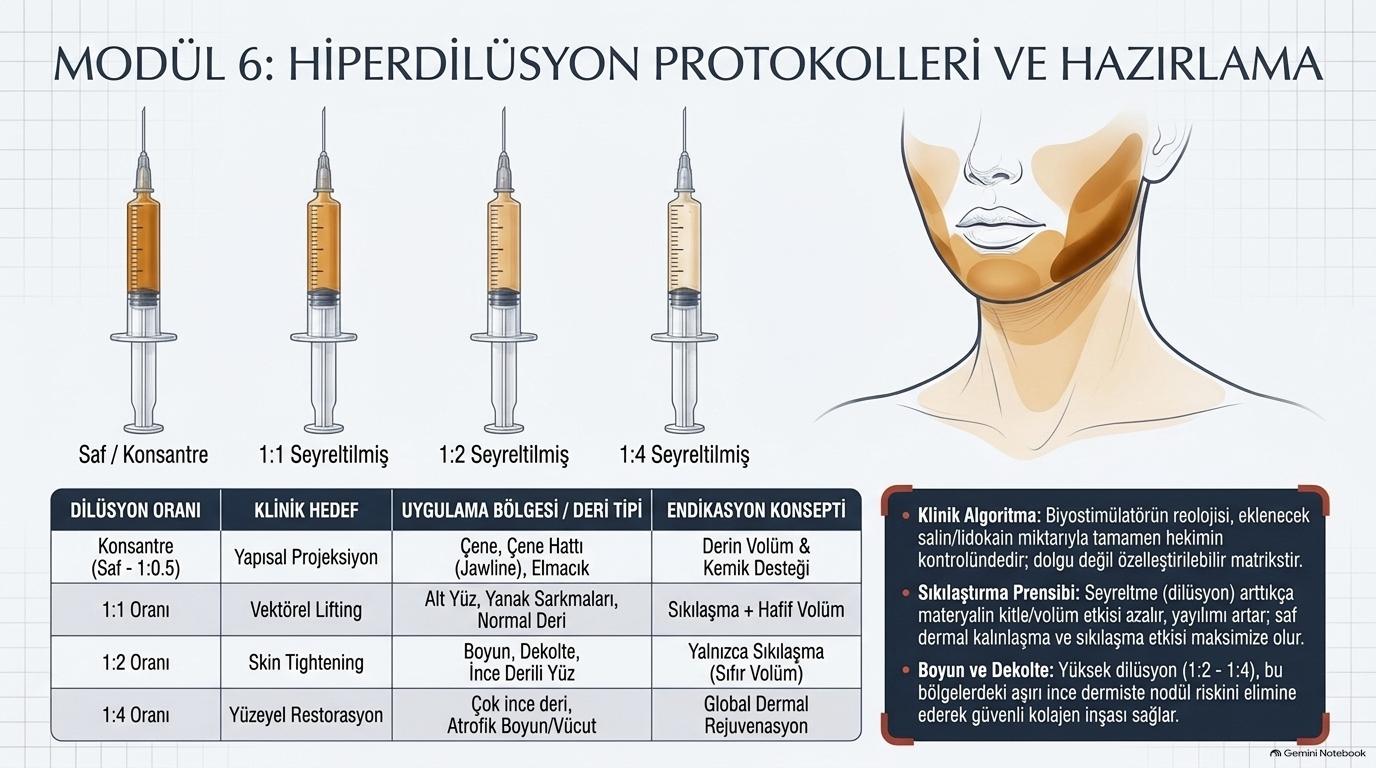
Figure 5: Precision Dilution Protocols: Structural Projection to Pure Dermal Tightening
3. Why Blunt Cannula Instead of Sharp Needles? Vector Liquid Facelift
In our clinic, biostimulator therapies are routinely performed using blunt-tip micro-cannulas (22G or 25G) rather than sharp needles.
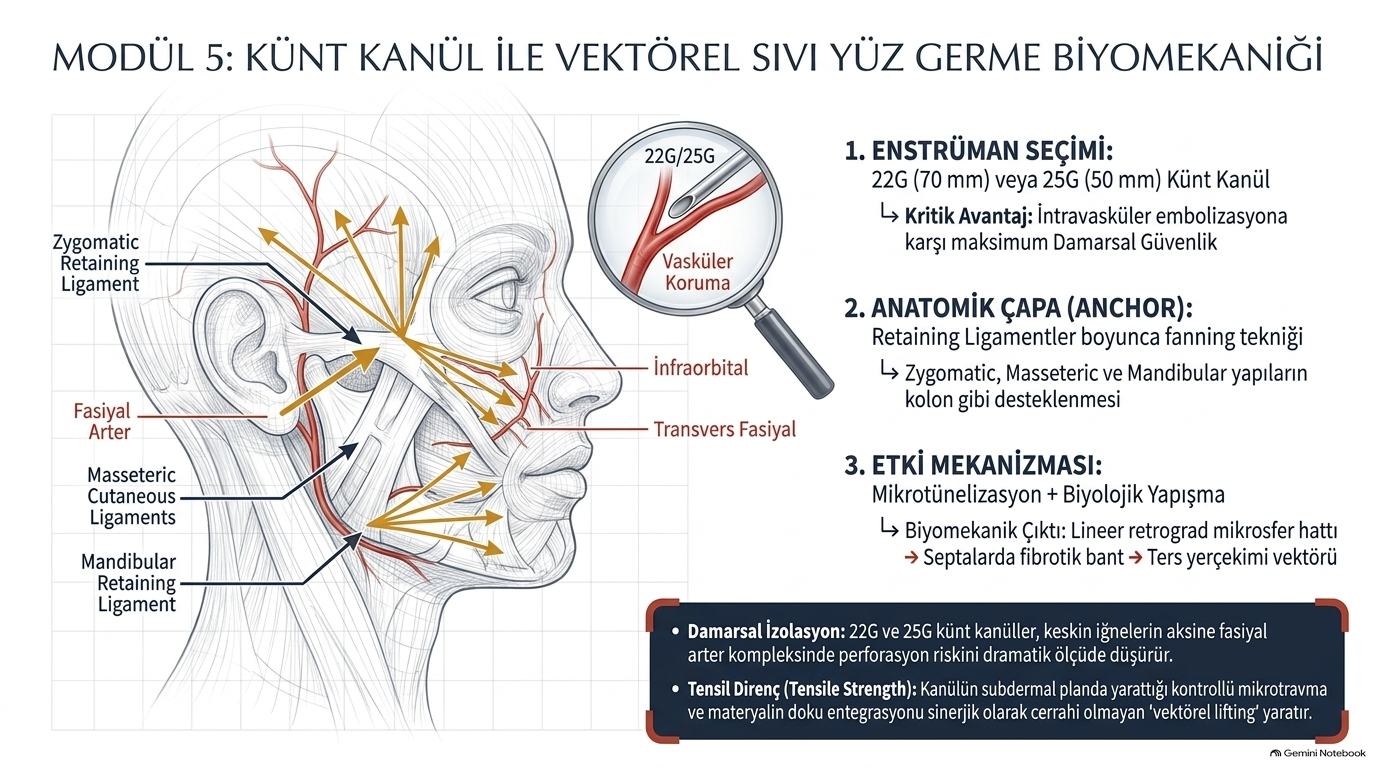
Figure 6: Cannula Vector Architecture, Ligament Anchoring, and Vascular Protection
Biomechanics of the Vector Liquid Facelift:
Through a single, microscopic entry point near the zygomatic arch or mandibular angle, the flexible blunt cannula glides safely through the subdermal plane without cutting vascular structures.
As the cannula is retrogradely withdrawn, microscopic tracts of biostimulator particles are laid along facial retaining ligaments (Zygomatic, Masseteric, and Mandibular ligaments). This induces localized collagen remodeling along true anti-gravity vectors, providing an incisive, non-surgical lifting and firming effect.
4. Target Anatomical Layers and Depth Safety
Clinical success and total safety depend on strict anatomical layer allocation:
- Supraperiosteal (Deep Bone Contact): Concentrated CaHA or deep PLLA is placed directly on bone to recreate resorbed skeletal projection in the chin, jawline, and zygoma.
- Subdermal / Superficial Subcutaneous Layer: The primary workspace for cannula vector lifting. Here, hyperdiluted CaHA, PDLLA, or PLLA thickens the retinacula cutis septa to achieve skin contraction ("shrinkage").
- Contraindicated Planes: Biostimulators must NEVER be injected into the superficial epidermis/dermis or inside hyperdynamic sphincter muscles (orbicularis oris/oculi) to prevent nodule or papule formation.
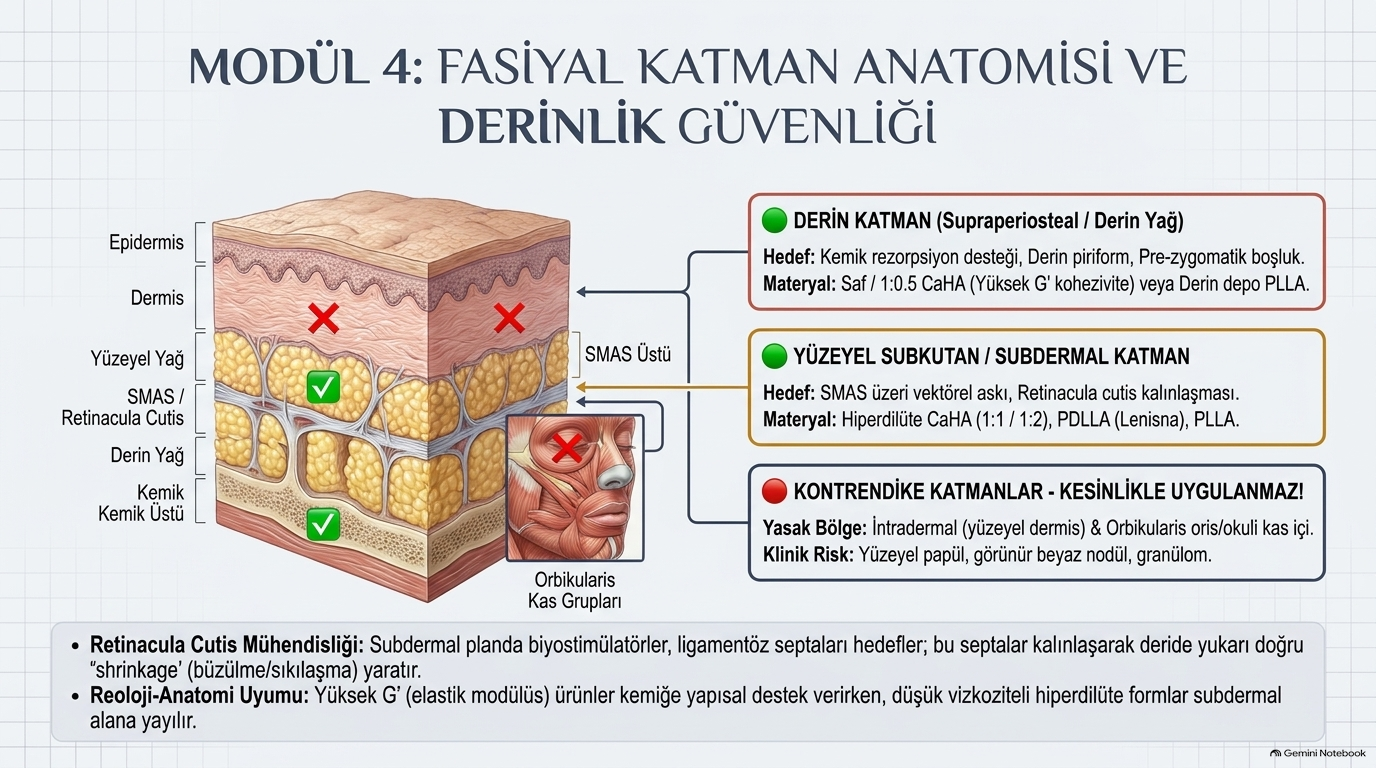
Figure 7: Facial Layer Stratification and Targeted Safe Envelopes
5. Treatment Journey, Protocols, and Longevity
Biostimulation is not an instant gimmick; it is an investment in biological skin regenerative health.
- Comfort & Experience: Formulations are pre-mixed with lidocaine and administered via smooth micro-cannulas, ensuring minimal discomfort and virtually no downtime.
- Social Downtime: Patients resume daily activities immediately. Cannula delivery minimizes bruising and tissue disruption.
- Recommended Sessions:
- Sculptra: Typically 2–3 sessions spaced 4–6 weeks apart.
- Lenisna: 2 sessions spaced 4–6 weeks apart.
- Radiesse: Usually 1–2 sessions annually depending on tissue laxity.
- Longevity of Results: Early post-injection fullness subsides as carrier fluid absorbs. Genuine collagen synthesis begins prominently around month 2 and delivers regenerative lifting lasting 18 to 24+ months.
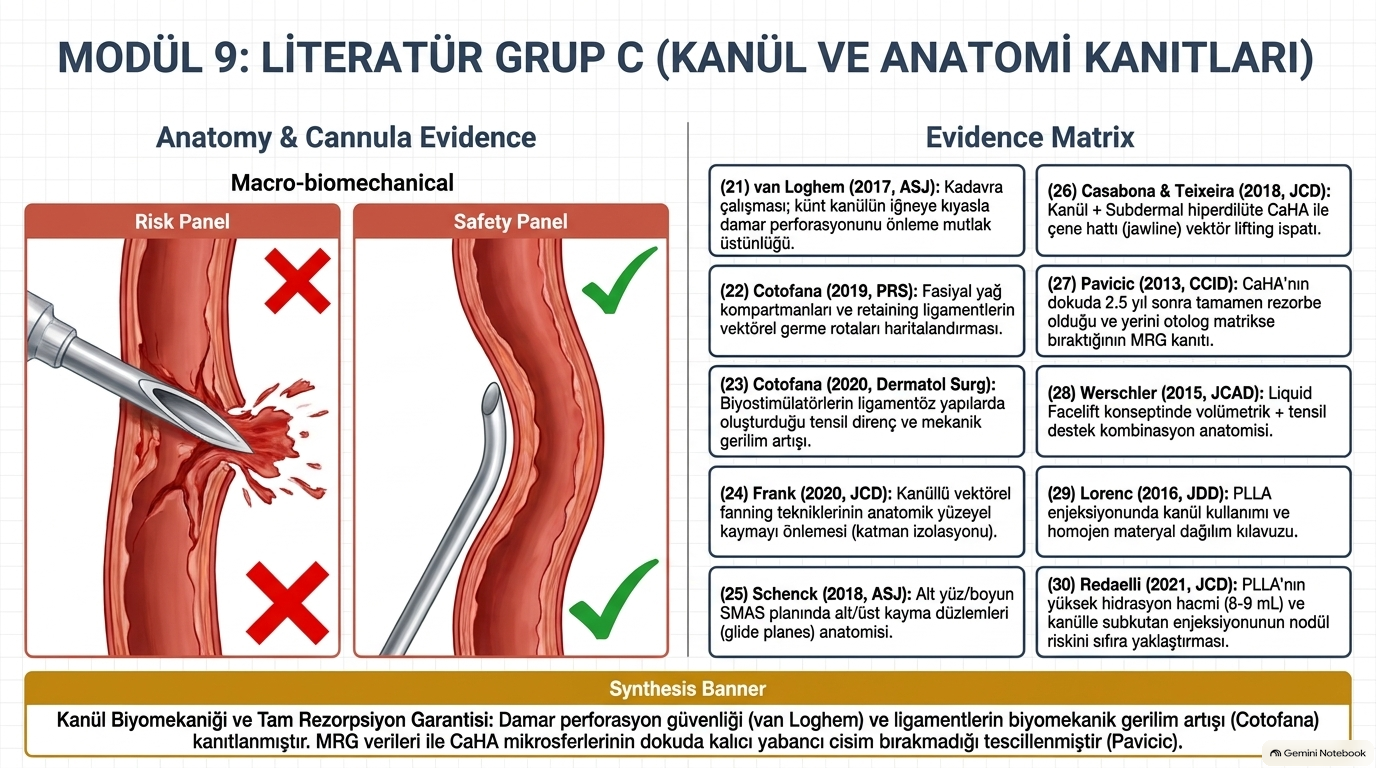
Figure 8: Long-Term Dermal Quality: Bioactive Stimulators vs. Traditional HA Fillers
Frequently Asked Questions (FAQ)
1. Will biostimulators make my face look puffy or wide?
Absolutely not. When administered via cannula using hyperdiluted CaHA, PDLLA, or PLLA, the treatment does not add physical volume. Its sole purpose is tightening, thickening thin skin, and restoring natural tension without facial enlargement.
2. Can biostimulators be dissolved if I don't like the result?
Unlike hyaluronic acid, biostimulators cannot be dissolved instantly with hyaluronidase. However, they do not create an artificial foreign mass; they produce your own natural collagen. Precision placement by an experienced medical aesthetic physician is paramount.
3. What is the aftercare protocol?
For PLLA (Sculptra), we recommend the "5x5x5 rule" (massaging the area 5 times a day for 5 minutes over 5 days). For Radiesse and Lenisna, gentle moisturizing suffices. Strenuous workouts, saunas, and intense sun exposure should be avoided for 24–48 hours.
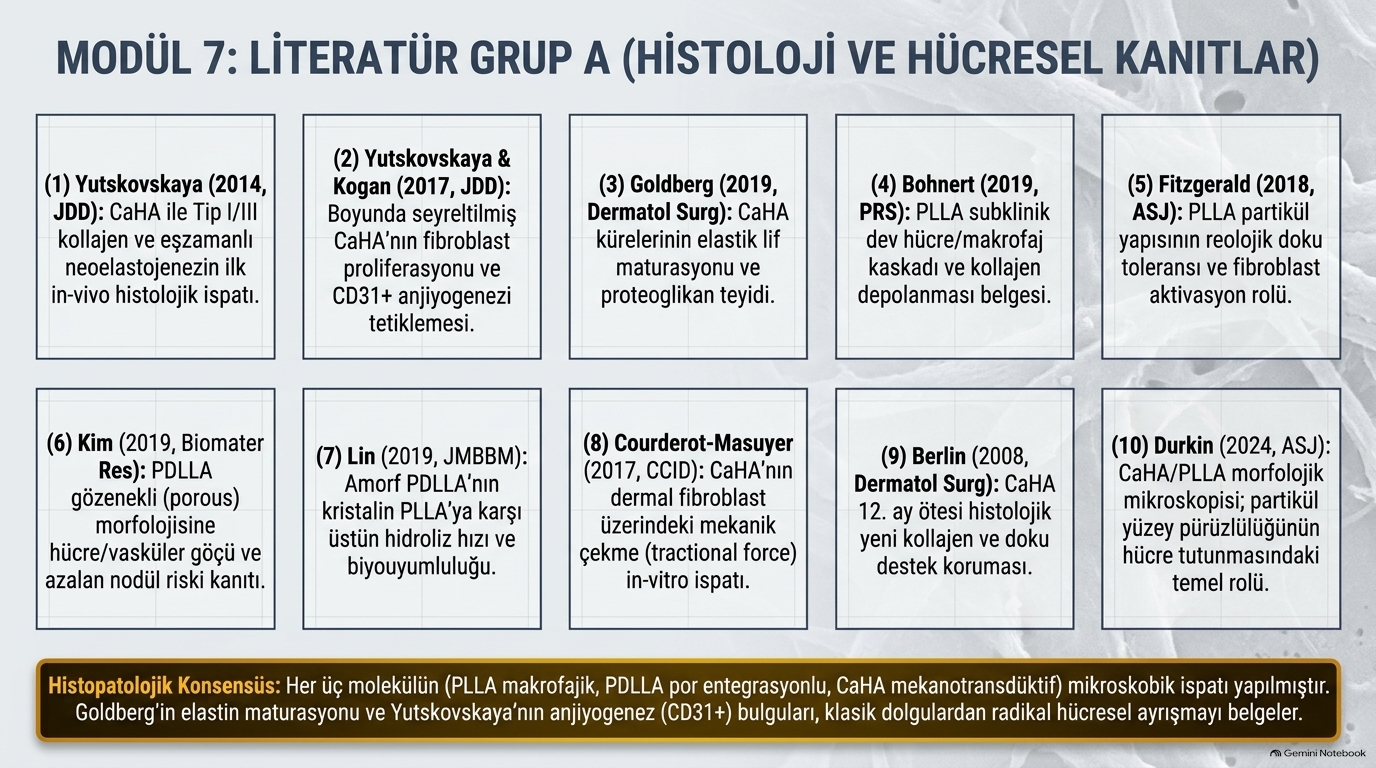
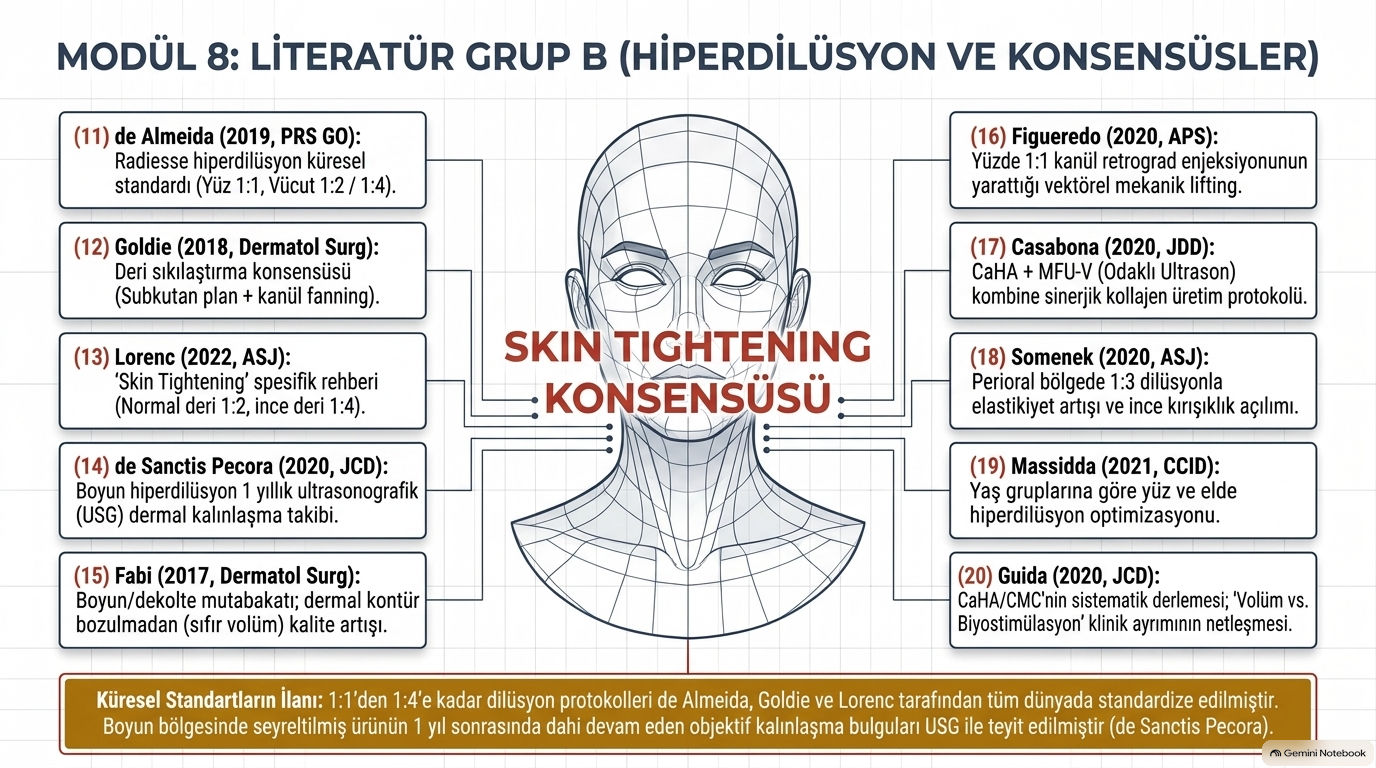
Clinical & Scientific Literature
Our biostimulation and vector lifting protocols are strictly grounded in peer-reviewed PubMed evidence and international consensus guidelines.
Conclusion
Consult with Dr. Melik Çandar to customize a biostimulation protocol tailored to your unique anatomy and regenerative goals—achieving natural, dynamic, and enduring facial youthfulness from within.